Myopia is also known as being short-sighted or near-sighted. If you are short-sighted you have problems seeing things in the distance clearly, but can see things that are close to you. There are different degrees of short-sightedness. Myopia is often due to the eye being slightly too long (from the front to the back). To have clear vision, light must focus directly on the retina. The retina is the light sensitive tissue at the back of the eye. In myopia, light focuses in front of the retina, so that distance vision is blurry.
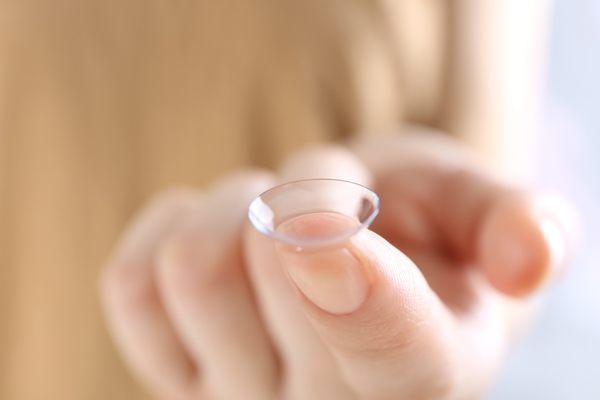
The visual symptoms can be corrected using standard glasses or contact lenses, but they do not slow down how quickly myopia develops. Some treatments with specially designed glasses or contact lenses (or both), may help slow down myopia. This is known as myopia management. However, they do not stop myopia from developing in the first place. More research is needed to understand the long-term results.
Around a third of people in the UK are myopic. The condition usually starts in childhood (between six and 13 years of age) and tends to get worse until the eye has stopped growing. Myopia can also develop in younger children and adults. People are more likely to become myopic if their parents are also myopic.
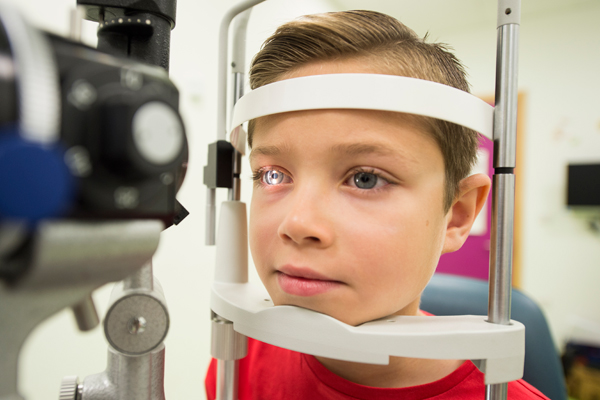
If your child is myopic, they will have problems seeing things in the distance clearly without glasses or contact lenses. But they will often be able to see things that are close to them. This means your child might have to move closer or squint (narrow their eyelids) to see this clearly. There are varying degrees of myopia and your optometrist can detect it during a sight test.
Long periods of reading and screen use (phones, tablets, laptops and computers) may have an impact on myopia development, but the evidence is not strong and we do not fully understand why this happens. Spending time on these activities might mean your child will spend less time outdoors, which we know can help prevent or delay myopia developing.
We know that the following things may also make it more likely that a child will become myopic:
Myopia management treatments aim to slow myopia development but don’t prevent myopia from developing in the first place.
Research shows that spending more time outdoors may help prevent or delay myopia from developing in children, especially if they are at risk of developing it. Spending time outdoors may also help children who already have myopia by slowing its development, but the evidence for this is not strong.
Long periods of reading and screen use may affect how myopia develops. Researchers do not fully understand why this happens. Spending more time reading or using a screen might mean your child will spend less time outdoors.
The blurred vision in myopia is usually easy to correct with standard glasses or contact lenses (or both). Some adults with myopia may have laser surgery to correct the blurred vision. There are some treatments that may also slow down myopia during childhood. This is called myopia management.
Last reviewed: February 2026
Find out more about short-sightedness:
Find out why the pandemic may have increased the risk of getting myopia:
Last reviewed: February 2026