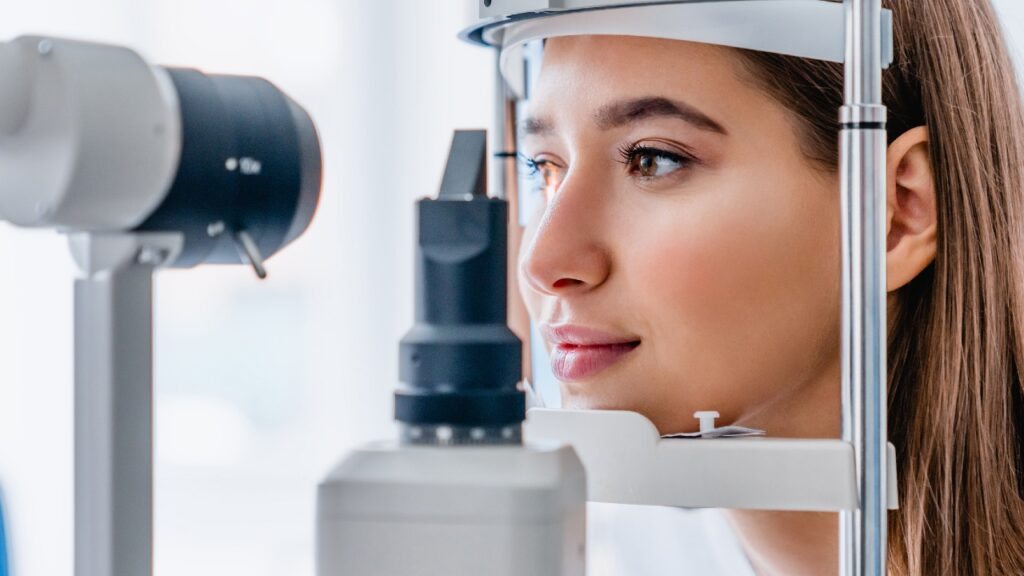
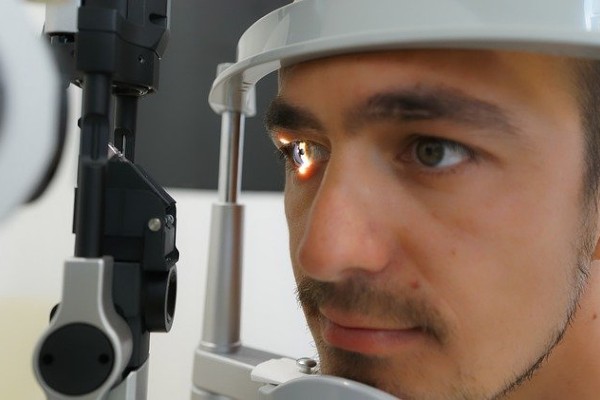
Looking after your eyes is about much more than seeing clearly or making sure your glasses or contact lenses are up to date. Regular eye tests can help spot eye conditions such as glaucoma and cataracts at an early stage. They can also pick up signs of other health problems, including diabetes and high blood pressure, often before you notice any symptoms.
The College of Optometrists is encouraging all adults to have an eye test at least every two years, or more often if their optometrist advises it. Parents and carers are also being reminded to take children for an eye test at their local optician every two years, to help protect their sight as they grow.
Denise Voon, clinical adviser to The College of Optometrists, said: “Going for regular eye tests means any issues with your vision or eye health are detected, diagnosed and treated as early as possible. Eye conditions can emerge at any stage of our lives, from squints and short-sightedness (myopia) that develop in childhood, through to age-related conditions, including presbyopia (struggling with near sight such as reading a restaurant menu or phone screen) and AMD from our forties onwards.
“At your eye test, your optometrist will check for any vision or eye health issues and prescribe glasses or contact lenses if needed. By booking your next regular eye test, practising healthy screen habits, or making sure to remember to wear your glasses when you need them, you can help ensure you have clearer, healthier eyesight for many years to come.”
Many people in the UK qualify for a free NHS funded eye test, including those over 60, children age 18 and under and in full-time education, those at risk of some eye conditions, and people receiving income support. Check if you are eligible on the NHS website. In Scotland, everybody can access an NHS funded eye test.
Top tips for looking after your eye health
Find out about your eye health family history
You may be at a higher risk of certain eye conditions, including glaucoma and macular degeneration, if your parents or siblings have the condition. It’s important to know your family’s eye health history and to share this information with your optometrist. You may also qualify for free NHS eye tests if you have a family history of some conditions.
Eat a healthy balanced diet
Eating a wide variety of fruit and vegetables, particularly leafy green veg like kale and spinach, may support good eye health and reduce your risk of macular degeneration.
Following a healthy diet will also help you to maintain a healthy weight and keep your blood pressure under control, reducing your risk of conditions such as diabetes and risk of stroke, which can both affect your vision.
Remember to attend your regular diabetic eye screening appointments if you have diabetes and you’re aged 12 or over. However, it’s also important to continue to go for regular eye tests as well, as your optometrist will also check also examine your vision and check for signs of other eye health conditions.
Protect your eyes from the sun
Exposure to ultraviolet (UV) light from sunshine has been linked to eye conditions including cataract and potentially to age-related macular degeneration (AMD). Make sure you have good quality, dark sunglasses with UV protection – look for sunglasses with the UKCA or CE mark. Remember that exposure to winter sun can be just as damaging, so wearing sunglasses is still important particularly when doing winter sports such as skiing.
Winter sun can also be problematic when driving, as driving in low sun is more likely to cause glare. Sunglasses can help with this and your optometrist will be able to advise which sunglasses are suitable for driving and when to wear them.
Have regular screen time detoxes
With more of us spending longer on digital devices, the importance of protecting our eyes from strain is greater than ever. The 20-20-20 rule is a simple, free and effective habit for screen users: every 20 minutes, look at something 20 feet away for at least 20 seconds. This brief pause relaxes the eye muscles, helping to prevent the discomfort, dryness, and blurred vision often associated with prolonged screen time.
Look After Your Eyes uses cookies to improve your experience. We'll assume you're ok with this, but you can opt-out if you wish. AcceptRead More
Privacy & Cookies Policy
Privacy Overview
This website uses cookies to improve your experience while you navigate through the website. Out of these, the cookies that are categorized as necessary are stored on your browser as they are essential for the working of basic functionalities of the website. We also use third-party cookies that help us analyze and understand how you use this website. These cookies will be stored in your browser only with your consent. You also have the option to opt-out of these cookies. But opting out of some of these cookies may affect your browsing experience.
Necessary cookies are absolutely essential for the website to function properly. This category only includes cookies that ensures basic functionalities and security features of the website. These cookies do not store any personal information.
Any cookies that may not be particularly necessary for the website to function and is used specifically to collect user personal data via analytics, ads, other embedded contents are termed as non-necessary cookies. It is mandatory to procure user consent prior to running these cookies on your website.