The very vehicle headlights designed to show drivers the road ahead are leaving many others struggling to spot hazards, signs and road markings, as well as making it harder to judge the position, speed and distance of oncoming vehicles, major new RAC research into headlight glare has found.*
With the clocks going back this weekend, drivers will increasingly experience the dazzling effect of other vehicles’ headlights. As many as 83% of drivers say they are concerned about the impact glare will have on their driving as darkness falls in late afternoon, while three-quarters of those affected by glare (76%) think the problem is getting progressively worse.
Among drivers who get dazzled, half (50%) say overly bright headlights make it harder to spot other road hazards, while a similar proportion (49%) struggle to see road signs and markings. Nearly half (47%) find it difficult to judge the position of oncoming vehicles and four-in-10 (43%) can’t easily judge other vehicles’ speed and distance, while a third (35%) say they get temporarily blinded.
Nearly two-in-three (63%) say they find it difficult to see the flashing amber indicators of some oncoming vehicles because their headlights are so bright. And worryingly, one-in-seven (14%) dazzled drivers say they have narrowly avoided a collision.
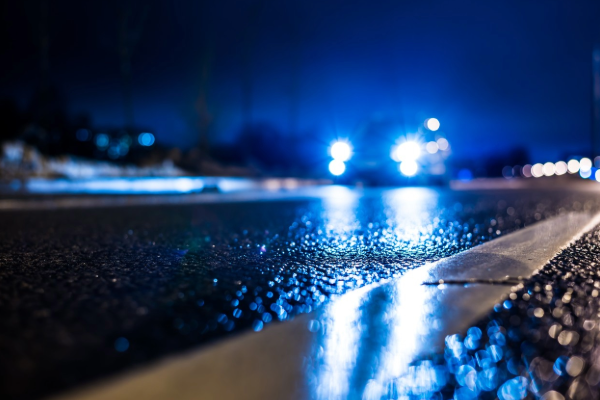
The consequences of headlight glare extend well beyond the road. While discomfort and a feeling of being less safe behind the wheel are drivers’ chief worries, concern about dazzle is causing some people to change their driving behaviour altogether. Of those affected by glare, a fifth (21%) say they plan to drive less once the clocks go back as a direct result of being dazzled while 3% plan to stop driving at night altogether.
For those who have already given up driving at night or are doing so less, the effects are stark. Three-in-10 (28%) say they see friends less as a result and 20% see family less, while a fifth (21%) report feeling much more isolated. Concerningly, 6% have cancelled medical appointments because of the difficulties they face driving in the dark while the same proportion have postponed them.
And glare isn’t just affecting drivers when they’re behind the wheel. More than half (57%) experience dazzle from headlights as pedestrians or wheelchair users, while 20% do so when cycling after dark. And 77% of parents and carers say they are concerned about the safety of their children during the darker months as a direct result of headlights that dazzle.
A year ago, an independent study on headlight glare, commissioned by the UK Government after pressure from the RAC, The College of Optometrists and others, confirmed that some brighter modern headlights are more likely to cause glare to drivers. Further UK research is expected to get underway shortly after a commitment made in January’s Road Safety Strategy, and work continues at an international level where regulations for future vehicles are agreed upon.
Unsurprisingly, drivers want action that reduces glare caused by existing vehicles already on the roads, as well as by future models. Three-quarters (73%) surveyed by the RAC think future research should examine both existing and future vehicles, while only 14% think it should look solely at vehicles not yet for sale.
Rod Dennis, RAC senior policy officer says: “The shorter days are here, which means millions of drivers will once again have to contend with the unwelcome effects of headlight dazzle.
“Our latest figures uncover an uncomfortable irony: the very headlights that illuminate the road for drivers and keep them safe could be doing the polar opposite for others by temporarily blinding them. This is leading to people feeling less confident and safe behind the wheel, and in some cases is stopping them driving in the dark altogether. The impact of this on their lives shouldn’t be underestimated.
“While nothing can stop the nights drawing in at this time of year, drivers continue to feel strongly that more can and should be being done to reduce the dazzle they experience.
“We welcomed the Government’s commitment to carry out further research into the problem, but drivers will only be satisfied when they know meaningful changes are coming that will tackle the problems they experience.
“Let’s be clear – good forward lighting plays a vital role in keeping drivers safe and nothing should compromise that. But when this comes at a cost to other road users, including motorists themselves, something must change.
“We don’t feel vehicle lighting regulations sufficiently consider the effects of very bright lights on other road users. We badly need to establish the correct amount of light needed to give drivers the best view of the road ahead without dazzling those in oncoming vehicles.
“Together with our campaign partners, we are working hard for drivers on this issue and will ensure their voices continue to be heard by policymakers.”
Dr Paramdeep Bilkhu, Clinical Advisor at The College of Optometrists says: “Headlight glare is more than just an annoyance for many drivers. Being dazzled by bright headlights can temporarily affect a person’s ability to see clearly, making it harder to spot hazards and judge distances safely. These concerns are leading to many people choosing to only drive during daylight hours, which can impact their independence and ability to maintain their social connections as we head into the winter months.
“If someone is experiencing new or worsening problems with glare, it’s important to speak to an optometrist, who can check your vision and eye health and advise on possible causes. However, this is not simply an issue for individual drivers to manage. We need continued research into the causes of headlight glare and evidence-based solutions that balance effective road illumination without dazzling other road users. Everyone should be able to travel safely and confidently after dark.”
Baroness Dianne Hayter, Peer and anti-headlight glare campaigner says: “The loss of confidence and sense of safety caused by dazzling headlights should be reason enough for action. But when some drivers conclude their only way of coping this winter is to drive less at night, or not at all, policymakers must listen. And, as the RAC’s latest research shows, the problem affects pedestrians, wheelchair users and cyclists as well. I look forward to hearing what the Government plans to do to protect road users and reduce the glare that far too many of them continue to experience.”
Drivers consistently report they experience glare far more from white-coloured headlights – most commonly associated with LEDs, which are increasingly common on new vehicles – than yellow-coloured ones, most likely older halogen units.
Drivers are also more likely to say the problem comes more from larger vehicles that sit higher on the road – 52% of those that suffer from glare blame these vehicles, compared to 20% that blame hatchbacks, saloons and estates that sit lower on the road. But a considerable 38% say the problem isn’t confined to a particular type of vehicle.
The College of Optometrists and RAC recommend:
Drivers can reduce the risk of dazzling others by:
The Government commissioned an initial independent report into the problem of headlight glare, following pressure from The College of Optometrists, the RAC and others. Findings were published in late 2025, and as part of its Road Safety Strategy a commitment was made for follow-up research that the RAC will get underway later this year.
* 1,208 regular UK drivers surveyed for the RAC in October 2026. Responses were rim-weighted to be nationally representative of UK motorists in age, gender, socio-economic groups and all UK regions.