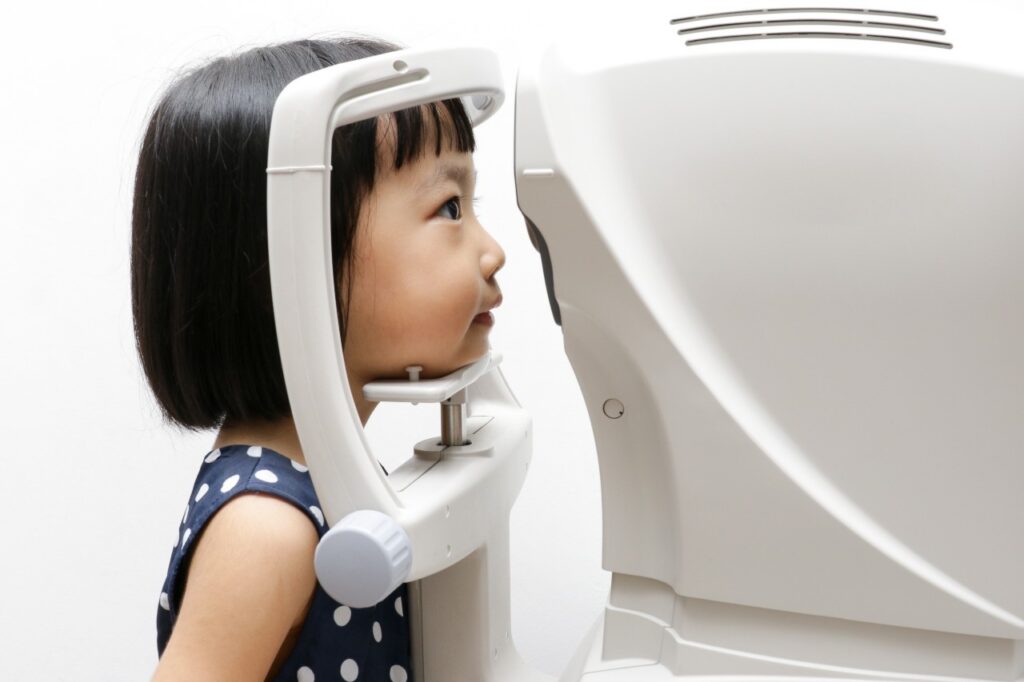
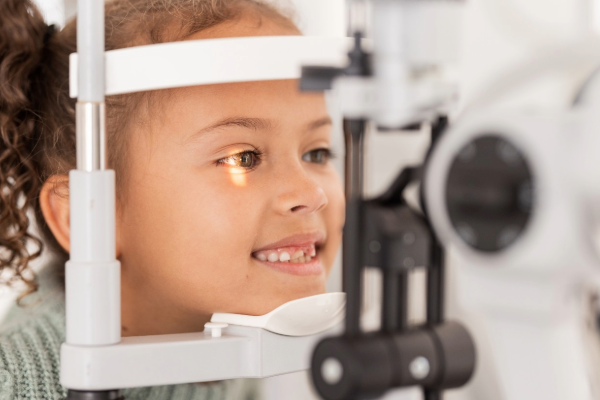
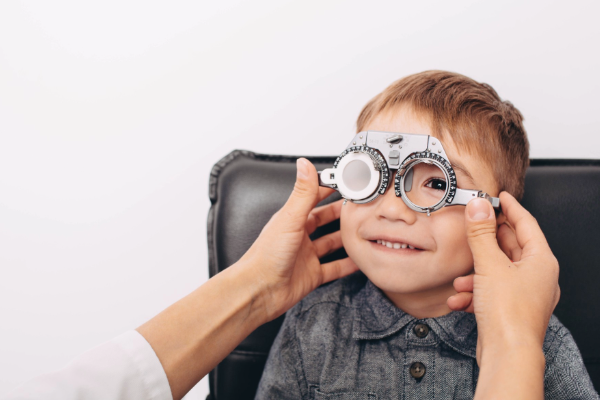
To mark World Sight Day, new analysis of UK eye tests data estimates that only around 5% of the total population of children aged five years and under had an eye test in 2025, despite optometrists and opticians recommending that children should be taken for their first regular eye test by the time they start school, from age three to four years old.
While the data for the under 16s age group appears more encouraging, with between 39.7% and 46.1% of this population estimated to have had an eye test in 2025, the data for the younger age group, with 95% of under fives not having had an eye test in 2025, is a cause for concern*. Undetected eye conditions in early childhood can mean missing the crucial window for early intervention, when treatment is most likely to achieve the best possible outcomes.
Eye tests data shows that:
up to six in 10 children aged under 16 didn’t have an eye test in 2025
three in 10 parents don’t realise children’s eye tests are free on the NHS
38% believe in the misconception that children need to be able to read before they can have an eye test
Joining forces to bring about change
The Association of Dispensing Opticians (ABDO), The College of Optometrists, Boots Opticians, and Specsavers have come together to launch a public eye health campaign to increase parents’ awareness of the importance of taking children for an eye test before they start school. Eye health professionals recommend taking children for their first eye test with an optometrist at their local opticians’ practice at around three to four years old and going for regular eye tests throughout childhood, usually every one to two years. The campaign is also supported by Fight for Sight, FODO, the International Agency for the Prevention of Blindness (IAPB) and OSA (Optical Suppliers Association).
Cause for concern
An additional survey of parents and legal guardians of children aged 0-11 commissioned for the campaign** has outlined a worrying gap in their approach to children’s eye health in comparison to dental checkups, with widespread misconceptions about eye tests and eye health. The findings show that one in three parents (29%) have never taken their child to an optometrist at an optician’s practice for a full eye test. However, 90% of parents with children under 12 have taken their child for a routine dental check-up. Additionally, 53% of children who do not wear glasses have never had a professional eye test.
Alarmingly, 30% of parents of children who don’t wear glasses say they have no plans to ever book an eye test. These worrying statistics show the lack of awareness amongst parents and guardians in the UK about the importance of childhood eye tests. One of the most common misconceptions is that children need to be able to read to have an eye test, with 38% of people polled still believing this to be the case. However, optometrists can assess children’s vision and eye health using age-appropriate techniques, meaning parents and guardians should not delay booking an eye test because their child cannot yet read.
Detecting eye conditions early is crucial
Around 3% of children in the UK develop amblyopia. Early detection is critical to treat this eye condition which may be present or develop in early childhood, but less than half of parents polled (48%) are aware that amblyopia (commonly known as a lazy eye) can often be reversed if it is detected before the child turns seven or eight. Uncorrected refractive error (short-sightedness, long-sightedness and astigmatism) and squint can negatively affect children’s learning and development. Although rare, serious eye diseases can also be detected at an eye test. Myopia typically starts to develop later in childhood, between ages six and 13, and it’s estimated in the UK around one in five children will be myopic by age 18, which is why its critical children are taken for regular eye tests throughout childhood***.
Denise Voon MCOptom, clinical adviser at The College of Optometrists, says: “The ideal age to take children for their first eye test is around three to four years old. NHS funded eye tests are free for all children under the age of 16, and it is a quick and easy routine health check that gives parents peace of mind that their child’s eyes and vision are healthy to support their development during their school years. It’s also important to remember to take children for regular check-ups throughout childhood, usually every one to two years, to detect and treat eye conditions that can develop in later childhood years, such as myopia (short-sightedness).”
Reality TV star highlights free NHS eye tests for children under 16
Reality star Olivia Bowen has spoken about the importance of eye tests for little ones after having two young children in the last few years. She says, “It is so important to prioritise your child’s eye health from a young age, as so many parents don’t realise that squinting and eye issues can be reversed if spotted before the ages of seven/eight – so getting this check in prior to school age is imperative to their learning.
“Also, tests at the optician’s are free for under 16’s on the NHS – so it really is as easy as popping into the dentist or a general doctor’s appointment. I know that taking my little boy at three has made him less nervous about future check-ups and comfortable in this environment.”
There is also a lack of public awareness that eye tests for children are free and funded by the NHS for children under 16 across the UK. Only 71% correctly knew this with the remaining 29% believing they cost a reduced fee, full price or are unsure.
Dr Alicia Thompson, Research Director at the Association of British DispensingOpticians says: “Every child deserves the opportunity to see clearly and reach their full potential. Regular sight tests are essential, but they are only part of the journey to achieving the best possible vision throughout life. If glasses are needed, children should also be seen by a dispensing optician who can ensure their spectacles fit their developing features, feel comfortable, suit their lifestyle, and are accurately fitted so they receive the full benefit of their prescription. The right pair of glasses can make a huge difference to a child’s vision, both now and in the future, as well as their confidence, development, and everyday experiences.”
Sarah Joyce, Chair at FODO says: “Opticians’ practices are located in communities across the UK, making it easy for families to access professional care close to home. NHS funded eye examinations are available free of charge for all children under 16, removing financial barriers and ensuring every child has the opportunity to benefit from regular eye health tests.
“Eye conditions can often be invisible both to parents and to the child. Refractive error (long & short sightedness and astigmatism), anisometropia (unequal prescriptions), and amblyopia (lazy eye) often present with no outward signs, and a child with lifelong reduced or asymmetric vision won’t necessarily be aware that their vision is abnormal. We need to ensure that parents are aware they should take children for regular eye tests and not to wait for signs of any issues, otherwise we systematically miss a large proportion of the children who would benefit from detection.”
Book an eye test
The national campaign, spearheaded by ABDO, Boots Opticians, The College of Optometrists and Specsavers, urges parents not to wait until their child develops an obvious problem before arranging an eye test. The key advice is to book a child’s first full eye test with an optometrist at around three to four years old and ensure they have regular eye tests throughout childhood, usually every one to two years.
Partners
Supporters
* The College of Optometrists analysed UK eye test data for under 16s provided by Boots Opticians and Specsavers which represents between 56% and 65% of total sight test activity for the UK, General Optical Service (GOS) activity data published by the government and 2025 ONS data for the populations of children under 6 and children under 16.
**An online survey was conducted by Atomik Research among 1,000 UK parents and legal guardians of children aged 0–11. The research fieldwork took place in September 2026. Atomik Research is an independent creative market research agency that employs MRS-certified researchers and abides to MRS code.
Look After Your Eyes uses cookies to improve your experience. We'll assume you're ok with this, but you can opt-out if you wish. AcceptRead More
Privacy & Cookies Policy
Privacy Overview
This website uses cookies to improve your experience while you navigate through the website. Out of these, the cookies that are categorized as necessary are stored on your browser as they are essential for the working of basic functionalities of the website. We also use third-party cookies that help us analyze and understand how you use this website. These cookies will be stored in your browser only with your consent. You also have the option to opt-out of these cookies. But opting out of some of these cookies may affect your browsing experience.
Necessary cookies are absolutely essential for the website to function properly. This category only includes cookies that ensures basic functionalities and security features of the website. These cookies do not store any personal information.
Any cookies that may not be particularly necessary for the website to function and is used specifically to collect user personal data via analytics, ads, other embedded contents are termed as non-necessary cookies. It is mandatory to procure user consent prior to running these cookies on your website.